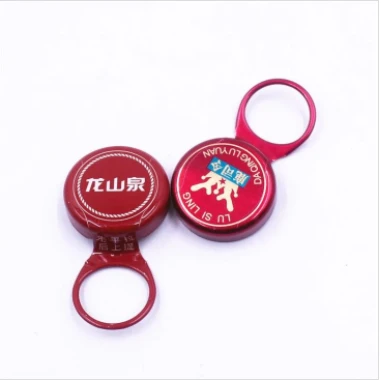


Wine is a delicate beverage that can be significantly affected by oxidation. Oxidation in wine can lead to changes in color, aroma, and flavor, ultimately diminishing its quality and enjoyment. As a leading supplier of Wine Bottle Top Covers, we understand the crucial role these covers play in preventing wine oxidation. In this blog post, we will explore how wine bottle top covers act as a safeguard against oxidation and why choosing the right cover is essential for wine preservation.
The Science of Wine Oxidation
Before delving into how wine bottle top covers prevent oxidation, it's important to understand the process of oxidation itself. Wine oxidation occurs when wine comes into contact with oxygen. Oxygen is a reactive molecule that can cause chemical changes in the wine. These changes are primarily due to the oxidation of phenolic compounds, such as tannins and anthocyanins, which are responsible for the color, flavor, and structure of the wine.
When wine is exposed to oxygen, the phenolic compounds react with it, leading to the formation of new compounds. This can result in a loss of the wine's fresh fruit flavors, the development of a brownish color, and the emergence of nutty or sherry-like flavors. In extreme cases, oxidation can render the wine undrinkable.
How Wine Bottle Top Covers Work
Wine bottle top covers serve as a barrier between the wine and the outside air, preventing oxygen from entering the bottle. There are several types of wine bottle top covers available, each with its own unique way of preventing oxidation.
Corks
Corks have been used for centuries to seal wine bottles. They are made from the bark of the cork oak tree and are known for their elasticity and ability to create a tight seal. When a cork is inserted into a wine bottle, it expands to fit the neck of the bottle, preventing air from entering. However, corks are not perfect. They can dry out over time, which can lead to air leakage and oxidation. Additionally, corks can be affected by a fungus called TCA (2,4,6-trichloroanisole), which can cause a musty or moldy smell in the wine, a condition known as cork taint.
Screw Caps
Screw caps are a modern alternative to corks. They are made of metal or plastic and are designed to create a tight seal when screwed onto the bottle. Screw caps are becoming increasingly popular among winemakers because they offer several advantages over corks. They are more consistent in terms of their sealing ability, which means they are less likely to allow air to enter the bottle. They also eliminate the risk of cork taint. Screw Caps For Wine Bottles are a great option for winemakers who want to ensure the quality and longevity of their wines.
Synthetic Corks
Synthetic corks are made from materials such as plastic or rubber and are designed to mimic the look and feel of natural corks. They offer a more consistent seal than natural corks and are less likely to cause cork taint. However, some wine enthusiasts argue that synthetic corks do not allow the wine to age as gracefully as natural corks because they do not allow for a small amount of oxygen to enter the bottle, which is thought to be beneficial for the aging process.
Aluminum Caps
Aluminum caps are another popular option for wine bottle closures. They are lightweight, durable, and offer a high level of protection against oxidation. Aluminum caps are available in a variety of sizes and styles, including 38mm Aluminum Cap and 30*60mm Aluminum Wine Bottle Cap. They are often used for sparkling wines and fortified wines because they can withstand the pressure inside the bottle.
Factors Affecting the Performance of Wine Bottle Top Covers
The effectiveness of wine bottle top covers in preventing oxidation can be affected by several factors. These include:


- Sealing Ability: The most important factor is the ability of the cover to create a tight seal. A poor seal can allow air to enter the bottle, leading to oxidation.
- Material Quality: The quality of the material used to make the cover can also affect its performance. For example, low-quality corks may dry out more quickly, while cheap screw caps may not create a tight enough seal.
- Storage Conditions: The way the wine is stored can also impact the performance of the bottle top cover. Wine should be stored in a cool, dark place with a consistent temperature and humidity level. Exposure to heat, light, and fluctuations in temperature and humidity can cause the cover to deteriorate and allow air to enter the bottle.
Choosing the Right Wine Bottle Top Cover
Choosing the right wine bottle top cover depends on several factors, including the type of wine, the intended aging period, and personal preference. Here are some guidelines to help you make the right choice:
- Type of Wine: Different types of wine have different oxygen requirements. For example, young, fruity wines are best consumed within a few years of bottling and may not require a long-term oxygen barrier. On the other hand, full-bodied red wines and fortified wines can benefit from a slow, controlled oxidation process and may require a more permeable closure, such as a natural cork.
- Intended Aging Period: If you plan to age your wine for several years, a natural cork or a high-quality synthetic cork may be the best option. These closures allow for a small amount of oxygen to enter the bottle, which can help the wine develop complex flavors and aromas over time. If you plan to consume the wine within a few months or years, a screw cap or an aluminum cap may be more suitable.
- Personal Preference: Some wine enthusiasts prefer the traditional look and feel of a natural cork, while others appreciate the convenience and reliability of a screw cap. Ultimately, the choice of wine bottle top cover comes down to personal preference.
Conclusion
Wine bottle top covers play a crucial role in preventing wine oxidation and preserving the quality of the wine. Whether you choose a cork, a screw cap, a synthetic cork, or an aluminum cap, it's important to select a high-quality cover that provides a tight seal and offers protection against oxygen. As a supplier of Wine Bottle Top Covers, we are committed to providing our customers with the best products on the market. If you are interested in learning more about our wine bottle top covers or would like to discuss your specific needs, please contact us. We look forward to working with you to ensure the quality and longevity of your wines.
References
- Jackson, R. S. (2008). Wine Science: Principles and Applications (3rd ed.). Academic Press.
- Robinson, J., Harding, J., & Vouillamoz, J. (2012). Wine Grapes: A Complete Guide to 1,368 Vine Varieties, Including Their Origins and Flavours. Allen & Unwin.
- Uva, J. M., & Robinson, J. (2006). The Oxford Companion to Wine (3rd ed.). Oxford University Press.