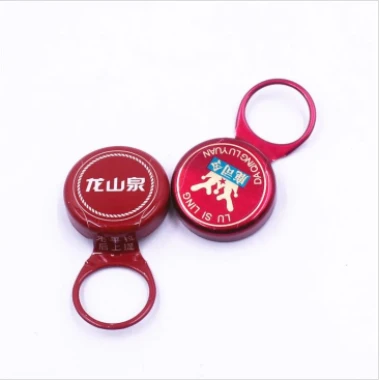


Hey there! As a supplier of soda bottle caps, I've been thinking a lot about the environmental footprint of what we produce. You know, those little caps that seal up your favorite fizzy drinks? They might seem insignificant, but they actually have a pretty big impact on the environment. So, let's dive in and explore what goes into making them and how it affects our planet.
The Materials
First off, let's talk about the materials used to make soda bottle caps. Most of the time, they're made from either plastic or aluminum. Plastic caps are super common because they're cheap and easy to produce. But here's the thing: plastic is a major environmental problem. It's made from petroleum, which is a non-renewable resource. And once it's out in the environment, it can take hundreds of years to break down. That means all those plastic bottle caps we're using are going to be around for a long, long time.
On the other hand, aluminum caps are a bit more eco-friendly. Aluminum is a renewable resource, which means we can keep using it over and over again. It's also really easy to recycle. In fact, recycling aluminum uses 95% less energy than producing new aluminum from raw materials. So, if you're looking for a more sustainable option, aluminum caps are definitely the way to go.
Here at our company, we offer a variety of bottle caps, including Spirits Bottle Caps, Aluminum Plastic Cap With Glassball, and 28mm Roll-top Bottle Caps. We're committed to using sustainable materials and production methods to reduce our environmental impact.
The Production Process
Now, let's talk about the production process. Making soda bottle caps involves a lot of energy and resources. For plastic caps, the process starts with extracting petroleum from the ground. Then, the petroleum is refined into plastic pellets, which are melted down and molded into the shape of a bottle cap. This process requires a lot of heat and pressure, which means it uses a lot of energy.
For aluminum caps, the process is a bit different. First, the aluminum is mined from bauxite ore. Then, the ore is refined into alumina, which is then smelted into aluminum. The aluminum is then rolled into sheets and stamped into the shape of a bottle cap. Like plastic caps, this process also requires a lot of energy.


But here's the good news: there are ways to reduce the energy and resources used in the production process. For example, some companies are using more efficient manufacturing techniques, such as injection molding for plastic caps and cold forming for aluminum caps. These techniques use less energy and produce less waste.
The Transportation
Once the bottle caps are made, they need to be transported to the bottling plants. This involves shipping them by truck, train, or ship. Transportation is another major source of greenhouse gas emissions, which contribute to climate change.
To reduce the environmental impact of transportation, we're working with our customers to optimize our shipping routes and use more fuel-efficient vehicles. We're also exploring the use of alternative transportation methods, such as electric trucks and trains.
The Disposal
Finally, let's talk about what happens to the bottle caps after they're used. Most of the time, they end up in landfills or in the ocean. As I mentioned earlier, plastic caps can take hundreds of years to break down, which means they're going to be around for a long time. And when they do break down, they can release harmful chemicals into the environment.
Aluminum caps, on the other hand, are much more recyclable. In fact, recycling aluminum caps is one of the most effective ways to reduce their environmental impact. When you recycle an aluminum cap, it can be turned into a new cap or other aluminum products in just a few weeks.
To encourage recycling, we're working with our customers to promote the importance of recycling and to make it easier for consumers to recycle their bottle caps. We're also exploring the use of biodegradable materials for our bottle caps, which would break down naturally in the environment.
Conclusion
So, there you have it: the environmental footprint of producing soda bottle caps. As you can see, it's a complex issue that involves a lot of different factors. But the good news is that there are things we can do to reduce our impact. By using more sustainable materials, optimizing our production processes, reducing transportation emissions, and promoting recycling, we can make a difference.
If you're interested in learning more about our soda bottle caps or if you're looking for a more sustainable option for your business, please don't hesitate to contact us. We'd be happy to answer any questions you have and to help you find the right solution for your needs.
References
- "The Environmental Impact of Plastic Bottles." National Geographic.
- "Recycling Aluminum: The Facts." The Aluminum Association.
- "Reducing the Carbon Footprint of Transportation." World Resources Institute.