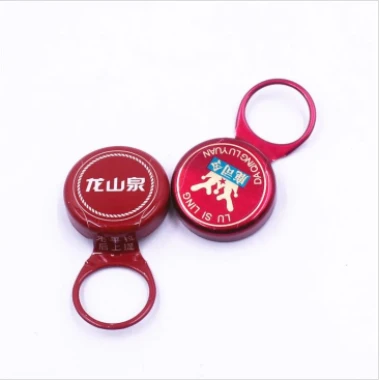


A loose glass bottle cap can be a nuisance, whether you're a consumer trying to keep your product fresh or a business owner looking to maintain the integrity of your packaging. As a leading Glass Bottle Cap supplier, we understand the importance of a secure seal. In this blog post, we'll explore various ways to fix a loose glass bottle cap and provide insights into choosing the right cap for your needs.
Understanding the Causes of Loose Caps
Before we delve into the solutions, it's crucial to understand why bottle caps become loose. There are several factors that can contribute to this issue:
- Improper Sealing: During the bottling process, if the cap is not tightened correctly, it can lead to a loose fit. This could be due to human error or malfunctioning machinery.
- Cap Material and Design: The material and design of the cap play a significant role in its ability to form a tight seal. For example, a cap made from low - quality plastic may not have the necessary elasticity to grip the bottle neck securely.
- Environmental Factors: Changes in temperature and humidity can cause the bottle and cap materials to expand or contract. This can result in a loosening of the cap over time.
Solutions to Fix a Loose Glass Bottle Cap
Now that we've identified the potential causes, let's look at some effective ways to fix a loose glass bottle cap:
1. Re - Tighten the Cap
The simplest solution is to try re - tightening the cap. Use your hands to firmly twist the cap clockwise until it is snug. If the cap is still loose after manual tightening, you can use a rubber grip or a pair of pliers for extra leverage. However, be careful not to overtighten, as this can damage the cap or the bottle.
2. Check for Debris
Sometimes, debris such as dirt, food particles, or liquid residue can prevent the cap from sealing properly. Remove the cap and clean the bottle neck and the inside of the cap thoroughly with a clean, damp cloth. Make sure to dry both the bottle and the cap completely before re - attaching the cap.
3. Use a Sealant
If the cap is still loose after re - tightening and cleaning, you can use a sealant to create a more secure seal. There are various types of sealants available, such as food - grade silicone or rubber gaskets. Apply a small amount of the sealant around the bottle neck or on the inside of the cap, and then re - attach the cap. Allow the sealant to dry according to the manufacturer's instructions.
4. Replace the Cap
If all else fails, it may be necessary to replace the cap. As a Glass Bottle Cap supplier, we offer a wide range of high - quality caps to suit different bottle sizes and applications. For example, our Anti - Counterfeiting Embossing Aluminum Cap provides not only a secure seal but also an added layer of protection against counterfeiting.
Choosing the Right Glass Bottle Cap
Selecting the appropriate glass bottle cap is essential to prevent loose caps in the first place. Here are some factors to consider when choosing a cap:
1. Material
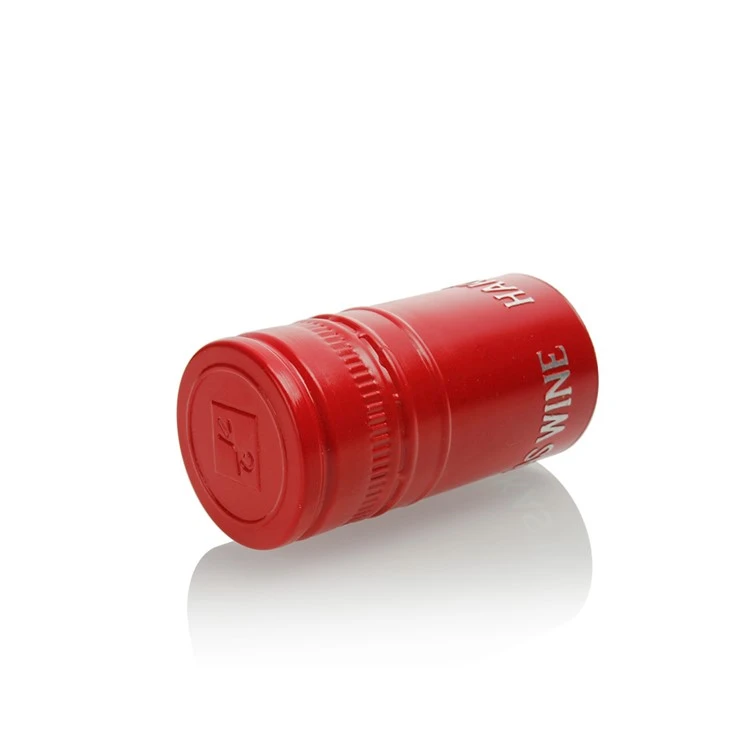
The material of the cap can affect its durability, sealability, and compatibility with the product inside the bottle. Common materials for glass bottle caps include aluminum, plastic, and cork. Aluminum caps, such as our Silver ROPP Aluminum Caps, are known for their strength and resistance to corrosion. Plastic caps are lightweight and cost - effective, while cork caps provide a more traditional and natural look.
2. Size and Fit
It's crucial to choose a cap that is the correct size for your glass bottle. A cap that is too small will not fit properly, while a cap that is too large will be loose. Measure the diameter and height of the bottle neck accurately to ensure a proper fit.
3. Design Features
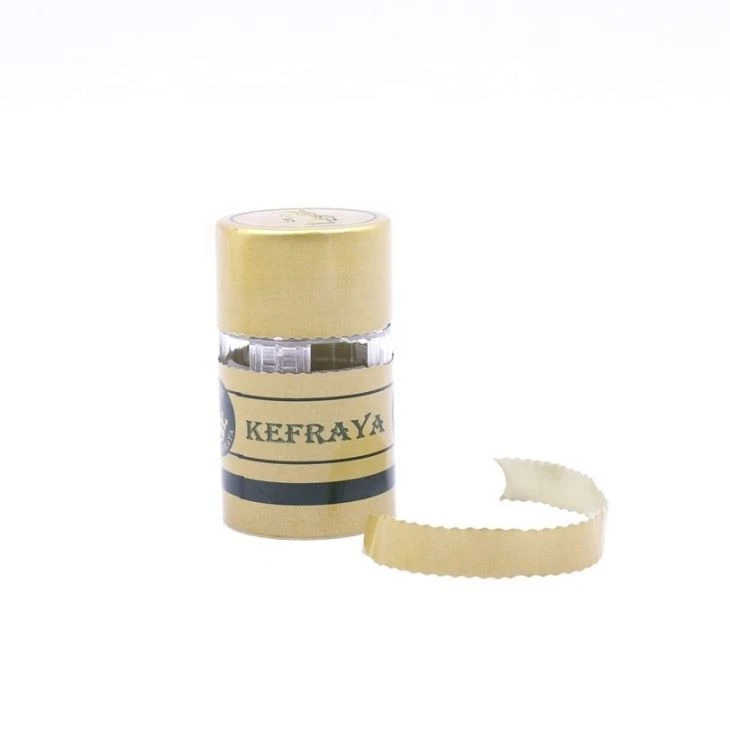
Some caps come with special design features that enhance their performance. For example, the Aluminum Plastic Bottle Cap With Tear Line has a tear line that makes it easy to open and provides a visible indication of tampering.
Importance of a Secure Bottle Cap
A secure bottle cap is not just about preventing leaks; it also has several other important benefits:
- Product Freshness: A tight - fitting cap helps to keep the product inside the bottle fresh by preventing air, moisture, and contaminants from entering.
- Safety: A seal that is intact reduces the risk of spills and leaks, which can be hazardous, especially for products such as chemicals or pharmaceuticals.
- Brand Image: A well - sealed bottle with a high - quality cap reflects positively on your brand. It gives the impression of a professional and reliable product.
Contact Us for Your Bottle Cap Needs
If you're facing issues with loose glass bottle caps or are looking for high - quality bottle caps for your products, we're here to help. As a trusted Glass Bottle Cap supplier, we have the expertise and experience to provide you with the right solutions. Our team of professionals can assist you in choosing the most suitable cap for your specific requirements. Whether you need a large quantity of caps for a commercial production or a small batch for a special project, we can accommodate your needs.
Don't let loose bottle caps compromise the quality of your products. Contact us today to start a discussion about your bottle cap requirements and take the first step towards a more secure and reliable packaging solution.
References
- Packaging Machinery Manufacturers Institute (PMMI). "Best Practices for Bottle Capping."
- American Society for Testing and Materials (ASTM). "Standards for Bottle Cap Materials and Performance."
- Institute of Packaging Professionals (IoPP). "Guide to Packaging Design and Materials Selection."