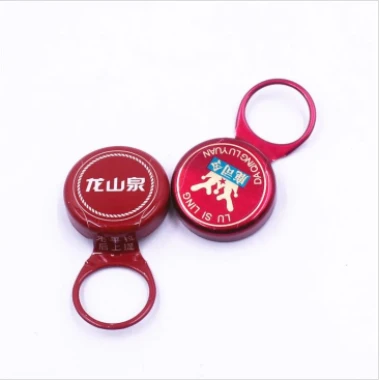


Wine packaging has always been a crucial aspect of the wine industry, and the choice of closures can significantly impact the wine's quality and consumer experience. In recent years, the debate between wine screw caps and glass stoppers has gained momentum. As a wine screw cap supplier, I'd like to delve into this topic and provide a comprehensive comparison to help winemakers and enthusiasts make informed decisions.
1. Preservation of Wine Quality
One of the primary functions of a wine closure is to preserve the wine's quality over time. Glass stoppers are often associated with traditional and high - end wines. They create an airtight seal that can prevent excessive oxygen from entering the bottle. Oxygen is a double - edged sword for wine. A small amount can help the wine develop and mature, but too much can lead to oxidation, which spoils the wine's flavor, aroma, and color.
However, achieving a perfect seal with glass stoppers can be challenging. The fit needs to be precise, and any slight misalignment can allow oxygen in. Moreover, glass stoppers are porous to some extent, which means that over a long period, a small amount of oxygen can still seep through.
On the other hand, wine screw caps have made significant advancements in recent years. Modern screw caps are designed with a high - quality liner that provides an excellent oxygen barrier. They can be adjusted to control the amount of oxygen that enters the bottle, which is crucial for different types of wines. For example, wines that are meant to be consumed young, such as many white wines and rosés, can benefit from a more airtight screw cap to preserve their fresh flavors and aromas. The Pure Gold 30*44mm Aluminum Cap is a great example of a screw cap that offers a reliable seal, ensuring the wine inside remains in optimal condition.
2. Ease of Use
When it comes to ease of use, screw caps have a clear advantage. Opening a bottle with a screw cap is as simple as twisting it off. There's no need for a corkscrew, which can be a hassle, especially in situations where one is not readily available. This convenience makes screw - capped wines popular for outdoor events, picnics, and casual gatherings.
Glass stoppers, while elegant, require some skill to open. One needs to grip the stopper firmly and pull it out gently. If not done correctly, the stopper can break, or the wine can spill. Additionally, re - sealing a bottle with a glass stopper can be tricky, as it may not fit as snugly as it did initially.
3. Aesthetic Appeal
Aesthetics play an important role in the wine industry. Glass stoppers are often considered more elegant and luxurious. They add a touch of sophistication to the wine bottle, making them a popular choice for high - end and premium wines. The transparency of the glass can also allow consumers to see the level of the wine inside the bottle, which can be an appealing feature.
Screw caps, in the past, were associated with cheap and low - quality wines. However, this perception is changing. Modern screw caps come in a variety of designs and finishes. For instance, the 38*18mm Aluminum Bottle Caps have a sleek and stylish appearance that can enhance the overall look of the wine bottle. They can be customized with different colors, logos, and embossing, making them suitable for a wide range of wine brands.
4. Cost - Effectiveness
Cost is a significant factor for winemakers. Glass stoppers are generally more expensive than screw caps. The production process of glass stoppers is more complex, involving molding, finishing, and quality control. Additionally, the packaging and shipping of glass stoppers require more care to prevent breakage, which adds to the overall cost.
Screw caps, on the other hand, are more cost - effective. They are mass - produced, and the materials used, such as aluminum, are relatively inexpensive. This cost - saving can be passed on to the consumers, making wines with screw caps more affordable. For winemakers, using screw caps can also reduce the overall packaging cost, which can improve their profit margins.
5. Sustainability
Sustainability is an increasingly important consideration in the wine industry. Glass stoppers are made of glass, which is a recyclable material. However, the energy required to produce glass is relatively high, and the transportation of glass stoppers can contribute to a higher carbon footprint due to their weight.
Screw caps, especially those made of aluminum, are highly recyclable. Aluminum can be recycled indefinitely without losing its quality. Moreover, aluminum screw caps are lightweight, which reduces transportation costs and carbon emissions. The Foil Caps For Wine Bottles are not only stylish but also an environmentally friendly option for wine packaging.
6. Market Perception
As mentioned earlier, glass stoppers have long been associated with high - end wines. Many consumers still believe that wines with glass stoppers are of better quality. This perception is deeply rooted in the traditional wine culture, where glass stoppers were used for premium and aged wines.
However, the market perception of screw caps is changing. More and more winemakers are using screw caps for their high - quality wines, and consumers are becoming more accepting of this trend. Screw caps are now seen as a modern and practical alternative to traditional closures. They are also associated with freshness and a commitment to preserving the wine's original flavor.


In conclusion, both wine screw caps and glass stoppers have their own advantages and disadvantages. The choice between the two depends on various factors, such as the type of wine, the target market, cost considerations, and sustainability goals. As a wine screw cap supplier, I believe that screw caps offer a reliable, cost - effective, and sustainable solution for wine packaging. They provide excellent preservation of wine quality, ease of use, and can be customized to meet the aesthetic needs of different wine brands.
If you are a winemaker or involved in the wine industry and are interested in exploring our range of wine screw caps, I encourage you to contact us for a detailed discussion. We can provide samples, discuss your specific requirements, and offer competitive pricing. Let's work together to find the perfect wine closure solution for your products.
References
- Jackson, H. (2018). Wine Packaging: Trends and Innovations. Wine Business Journal.
- Smith, R. (2019). The Impact of Closures on Wine Quality. Journal of Wine Science.
- Brown, A. (2020). Sustainability in Wine Packaging. Sustainable Wine Review.