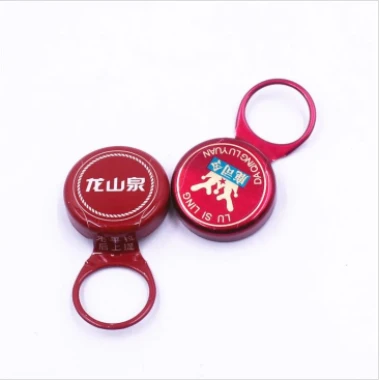


Determining the tightness of an aluminium screw cap is a crucial aspect of our business as a supplier of Aluminium Screw Caps. The proper tightness of these caps ensures product integrity, prevents leakage, and maintains the quality of the contents inside the bottles. In this blog post, I'll share some methods and considerations we use to determine the tightness of our aluminium screw caps.
Why Tightness Matters
Before delving into the methods of determining tightness, it's important to understand why it's such a critical factor. For products like wines, spirits, and other beverages, a well - tightened cap is essential to preserve the flavor, aroma, and carbonation. A loose cap can allow air to enter the bottle, leading to oxidation and spoilage of the contents. On the other hand, over - tightening can damage the cap or the bottle, and may also cause difficulties for consumers when opening the bottle.
Visual Inspection
The first step in assessing the tightness of an aluminium screw cap is a simple visual inspection. When the cap is properly tightened, it should sit flush against the bottle neck. There should be no visible gaps between the cap and the bottle. If the cap appears to be tilted or has a visible space around the edges, it may not be tightened correctly.
We also look at the threads of the cap and the bottle. The threads should engage smoothly and evenly. If the threads are cross - threaded, the cap may not be tightened properly, even if it seems to be on the bottle. Cross - threading can occur during the capping process and can lead to a loose or unstable seal.
Torque Testing
Torque is the measure of the force required to turn an object around an axis. In the case of aluminium screw caps, torque testing is a widely used method to determine the tightness. We use a torque wrench to measure the amount of torque applied when tightening the cap.
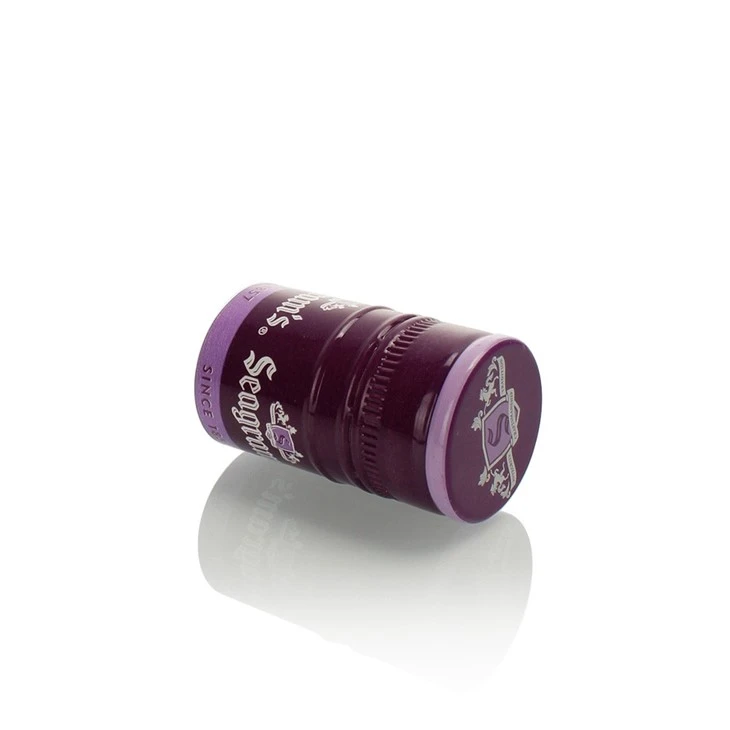
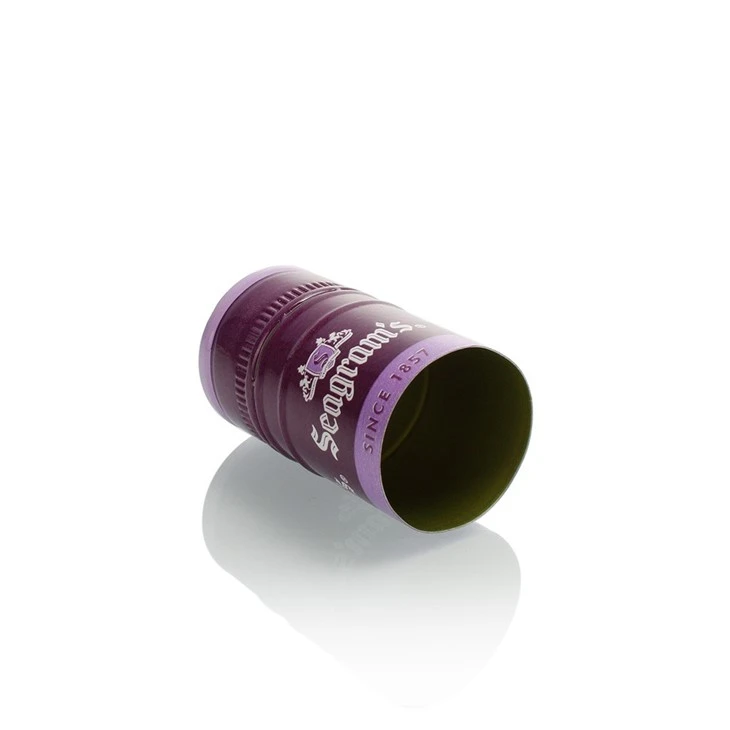
The appropriate torque value depends on several factors, such as the size of the cap, the type of bottle, and the product inside. For example, a 30*60mm Aluminum Cap For Wine Bottle may require a different torque value compared to a larger cap for a different type of bottle.
We conduct regular torque testing during the production process to ensure that the caps are tightened to the correct specifications. By measuring the torque, we can identify any deviations from the standard and make adjustments as needed. This helps us maintain consistency in the tightness of our caps.
Pressure Testing
Pressure testing is another effective way to determine the tightness of aluminium screw caps. We use specialized equipment to apply a controlled amount of pressure inside the bottle and then monitor for any pressure loss. If there is a significant pressure drop over a certain period, it indicates that the cap is not providing a proper seal.
This method is particularly useful for products that are under pressure, such as carbonated beverages. A loose cap can allow the carbon dioxide to escape, leading to a flat product. By conducting pressure tests, we can ensure that our caps can withstand the internal pressure of the bottle and maintain a tight seal.
Leak Detection
In addition to pressure testing, we also use leak detection methods to determine the tightness of our caps. One common method is the dye penetration test. We fill the bottle with a liquid containing a dye and then tighten the cap. If there is a leak, the dye will seep out through the gap between the cap and the bottle, making it visible.
Another method is the vacuum leak test. We place the capped bottle in a vacuum chamber and monitor for any changes in the pressure inside the chamber. If there is a leak, air will enter the bottle, causing a change in the pressure.
Factors Affecting Tightness
Several factors can affect the tightness of aluminium screw caps. The material of the cap and the bottle is one of the key factors. Aluminium is a malleable material, and its properties can change depending on the manufacturing process and the alloy used. The surface finish of the cap and the bottle also plays a role. A rough or uneven surface can prevent the cap from forming a tight seal.
The capping equipment used during the production process is another important factor. If the capping machine is not calibrated correctly or is worn out, it may not apply the correct amount of force when tightening the caps. Regular maintenance and calibration of the capping equipment are essential to ensure consistent tightness.
Quality Control Measures
To ensure the tightness of our aluminium screw caps, we have implemented a comprehensive quality control system. We conduct inspections at every stage of the production process, from the raw material inspection to the final product testing.
During the raw material inspection, we check the quality of the aluminium sheets used to make the caps. We look for any defects, such as scratches or uneven thickness, that could affect the tightness of the cap.
In the production process, we monitor the capping operation closely. We check the torque, conduct visual inspections, and perform leak tests regularly. Any caps that do not meet our quality standards are rejected and re - worked or discarded.
Customer Feedback
Customer feedback is also an important source of information for us. If customers report issues with the tightness of our caps, we take it seriously and investigate the problem. We may collect samples from the customer and conduct additional tests to determine the root cause of the issue.
Based on the customer feedback, we can make improvements to our production process, adjust the torque specifications, or modify the design of the cap if necessary. This helps us continuously improve the quality of our products and ensure customer satisfaction.
Conclusion
Determining the tightness of aluminium screw caps is a multi - faceted process that involves visual inspection, torque testing, pressure testing, leak detection, and quality control measures. By using these methods, we can ensure that our Screw Caps For Wine Bottles and other aluminium screw caps provide a reliable and consistent seal.
If you are in the market for high - quality aluminium screw caps, we invite you to explore our range of products, including the Pilfer Proof Aluminium Screw Cap. Our caps are designed to meet the highest standards of quality and tightness. We are committed to providing excellent products and services to our customers. If you have any questions or would like to discuss your specific requirements, please feel free to contact us for procurement and negotiation.
References
- "Packaging Technology Handbook" by Benjamin P. Harte
- "Food Packaging: Principles and Practice" by Cheryl A. Banville and Robert T. Hardenburg
- Industry standards and guidelines for aluminium screw cap manufacturing