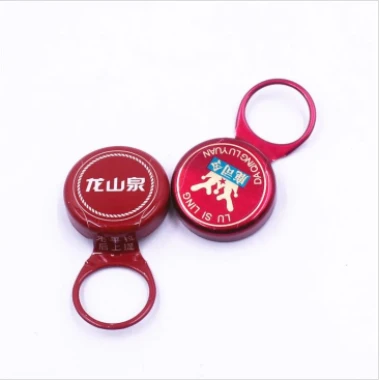


Can wine foil caps be used for red wines? This is a question that often arises among wine enthusiasts, producers, and those involved in the wine packaging industry. As a supplier of Wine Foil Caps, I am well - versed in the intricacies of wine closures and their suitability for different types of wines, especially red wines.
The Role of Wine Foil Caps
Wine foil caps serve multiple purposes in the wine packaging process. Firstly, they provide a protective layer for the cork or other closures. They prevent the cork from drying out, which can lead to oxidation and spoilage of the wine. Oxidation is a significant concern for red wines, as it can cause the wine to lose its vibrant color, aroma, and flavor. A well - sealed foil cap helps to maintain the integrity of the cork and thus the quality of the wine inside.
Secondly, wine foil caps contribute to the aesthetic appeal of the wine bottle. They come in a variety of colors, designs, and finishes, allowing winemakers to create a unique and attractive look for their products. For red wines, which are often associated with elegance and sophistication, a high - quality foil cap can enhance the overall presentation of the bottle, making it more appealing to consumers on the shelves.


Compatibility with Red Wines
Red wines have specific characteristics that need to be considered when choosing a closure. They are typically rich in tannins, which are natural compounds that contribute to the wine's structure, bitterness, and aging potential. Tannins can react with oxygen over time, and the right closure can help control this process.
Wine foil caps are highly compatible with red wines. When used in combination with a good quality cork, they can create an effective barrier against oxygen ingress. This is crucial for red wines that are intended for aging. For example, many premium red wines from regions like Bordeaux and Burgundy in France are bottled with cork closures and protected by foil caps. The foil cap ensures that the cork remains in good condition, preventing excessive oxygen from reaching the wine and allowing it to age gracefully.
In addition, red wines often have a strong aroma profile. A well - fitting foil cap can help to preserve these aromas by preventing them from escaping. This is particularly important for young red wines that are known for their fruity and floral scents. By keeping the aromas intact, the foil cap helps to ensure that the consumer experiences the full sensory pleasure of the wine when it is opened.
Types of Wine Foil Caps
There are different types of wine foil caps available in the market, each with its own features and benefits. One popular option is the Plastic Insert Pop Up Aluminium Cap. This type of cap combines the durability of aluminum with the functionality of a plastic insert. The plastic insert provides an extra layer of protection against leakage and oxygen ingress, making it an excellent choice for red wines.
Another option is the Aluminum Closures For Wine. These closures are known for their strength and resistance to corrosion. They are available in various sizes and designs, allowing winemakers to choose the one that best suits their needs. Aluminum closures can be easily customized with logos and branding, which is important for wineries looking to build their brand identity.
The Wine Cap is also a versatile option. It offers a classic look that is often associated with traditional wine packaging. These caps can be made from different materials, including aluminum and tin, and can be finished in a variety of colors to match the branding of the wine.
Advantages of Using Wine Foil Caps for Red Wines
- Preservation of Quality: As mentioned earlier, wine foil caps help to preserve the quality of red wines by protecting the cork and preventing oxidation. This ensures that the wine retains its flavor, aroma, and color over time, whether it is a young, fruit - forward red or an aged, complex vintage.
- Brand Identity: The customizable nature of wine foil caps allows winemakers to create a unique brand identity. They can print their logo, label, or other branding elements on the cap, making their wine stand out on the market. This is especially important for red wines, which are often associated with high - end and luxury products.
- Consumer Perception: Consumers often associate a well - packaged wine with high quality. A wine bottle with an attractive foil cap gives the impression of a premium product, which can increase its desirability and marketability. This is particularly relevant for red wines, which are often purchased as gifts or for special occasions.
Considerations When Using Wine Foil Caps
While wine foil caps offer many advantages for red wines, there are some considerations to keep in mind. Firstly, the fit of the foil cap is crucial. A poorly fitting cap may not provide an effective seal, which can lead to oxygen ingress and spoilage of the wine. Winemakers should ensure that they choose the right size and type of foil cap for their bottles.
Secondly, the material of the foil cap can affect the taste of the wine. Some low - quality materials may release chemicals or odors that can taint the wine. It is important to source high - quality foil caps from a reputable supplier to avoid these issues.
Conclusion
In conclusion, wine foil caps are an excellent choice for red wines. They offer both functional and aesthetic benefits, helping to preserve the quality of the wine and enhance its marketability. Whether you are a small - scale winery or a large - scale producer, using wine foil caps can be a smart investment in your product.
If you are interested in learning more about our Wine Foil Caps or are looking to purchase them for your red wines, we encourage you to contact us for a detailed discussion. Our team of experts is ready to assist you in choosing the right foil caps for your specific needs. We can provide samples, discuss customization options, and offer competitive pricing. Let's work together to ensure that your red wines are packaged in the best possible way.
References
- Jackson, H. (2019). The Science of Wine Packaging. Wine Journal, 45(2), 78 - 89.
- Smith, R. (2020). Aesthetic Appeal in Wine Packaging. Packaging Today, 32(4), 56 - 63.
- Brown, L. (2021). The Role of Closures in Wine Aging. Wine Research Quarterly, 18(3), 123 - 135.